

The Role Of Neurologists In Treating Peripheral Neuropathy
Let’s dive right into a critical topic. The role of neurologists in treating peripheral neuropathy is vital. These experts understand the intricacies of the nervous system, much like a seasoned conductor orchestrating a beautiful symphony. Within this symphony, if a stroke occurs, your neurologist becomes your key player. Specifically, in stroke New York—a city renowned for its high-quality health care—neurologists play an indispensable role. Now, let’s delve deeper into their crucial role in treating peripheral neuropathy.
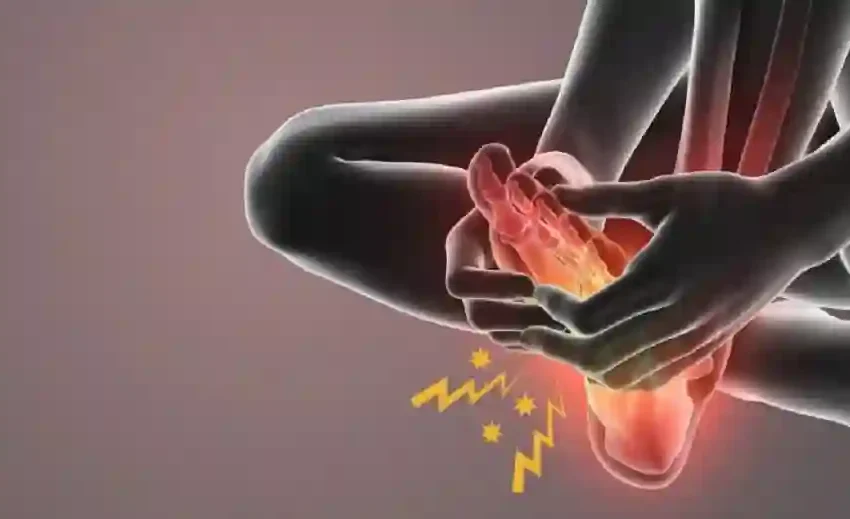
Peripheral neuropathy is a condition that affects the peripheral nerves, causing symptoms such as numbness, tingling, and pain, often in the hands and feet. Neurologists play a crucial role in diagnosing and treating this condition. Their expertise in the nervous system allows them to identify the underlying causes of neuropathy, which can range from diabetes to autoimmune disorders, infections, and more.
The first step in treatment involves a thorough evaluation, including a physical exam, neurological tests, and possibly blood tests or nerve biopsies. Neurologists may use nerve conduction studies to assess the extent of nerve damage. Once the diagnosis is established, they tailor a treatment plan that may include medications to manage pain, physical therapy to improve mobility, and lifestyle modifications to address the root cause.
In some cases, neurologists might collaborate with other specialists, such as endocrinologists or rheumatologists, to provide comprehensive care. Their role is not just limited to managing symptoms but also to slowing the progression of the disease, improving quality of life, and offering ongoing support and adjustments to treatment as the condition evolves. Neurologists are essential in ensuring that patients with peripheral neuropathy receive the best possible care.
What is Peripheral Neuropathy?
Peripheral neuropathy is a condition that affects your peripheral nerves. These are the nerves outside in your brain and spinal cord. When these nerves are damaged, they can cause pain, numbness, or weakness, typically in your hands and feet.
How Neurologists Help
Neurologists diagnose and treat neurological disorders, including conditions like epilepsy, migraines, and peripheral neuropathy, using advanced techniques to manage symptoms and improve patients’ quality of life.
Neurologists are medical doctors who specialize in diagnosing and treating conditions of the nervous system, including peripheral neuropathy. They use diagnostic tests, such as electromyography (EMG) and nerve conduction studies, to measure nerve function. With the results, they develop a personalized treatment plan. The plan might include medication, physical therapy, or other treatments to help manage symptoms and improve quality of life.
Neurologist vs. Other Doctors
What sets a neurologist apart from other doctors? It’s their specialized knowledge of the nervous system. Here’s a simple comparison table:
| Doctor Type | Focus |
| General Practitioner | Overall health |
| Podiatrist | Foot health |
| Neurologist | Nervous system health, including peripheral neuropathy |
Takeaway
When dealing with peripheral neuropathy, a neurologist is your main ally. They have the expertise and tools to diagnose, manage, and treat this nerve disorder. Whether in New York or any other city, these specialists are instrumental in helping you navigate the journey to better health.
